
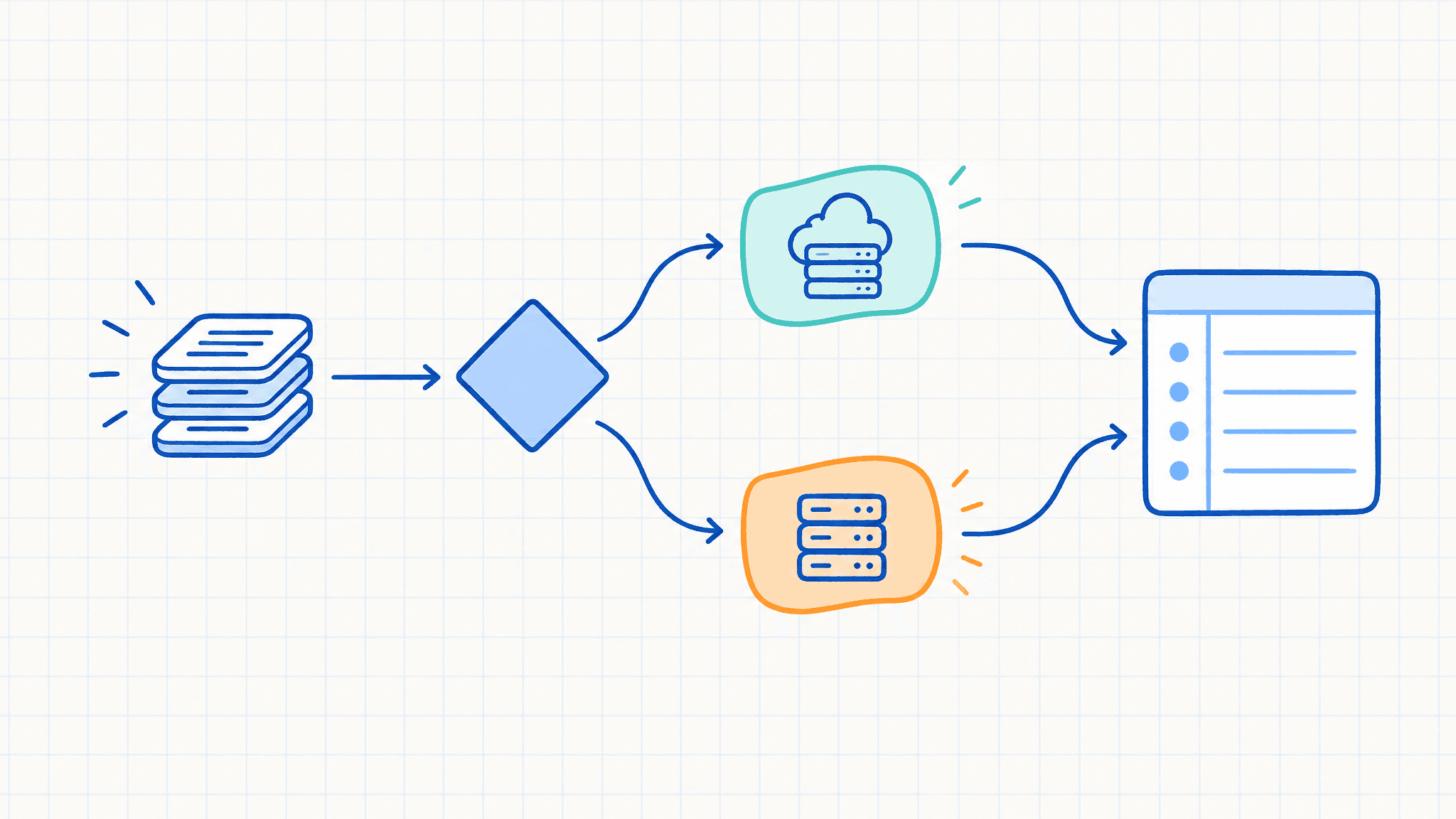
Jev's current list price is simple: **$0.042 per M input tokens, with free output**. But that is usually not the whole cost of an Agent.
If you ask Jev to decide whether a request needs a coding model, or whether a human should confirm it, what you save is the cost of the decision layer. What actually drives the bill is usually the execution call it approves or escalates. Only when you separate the two layers does the price become something you can act on.
How Jev API Charges
Here is what is currently known about Jev 1.13 and Jev Latest:
| Item | Current info |
| Input price | $0.042 / M tokens |
| Output price | $0 / M tokens |
| Context window | 64K |
| Available identifiers | `jev-1.13.0`, `jev-latest` |
latest is updated as the server-side maintained version changes. It works for one-off validation. But if you want to compare routing quality over time, investigate anomalies, or reproduce cost changes, pinning a specific version gives you a cleaner baseline. Prices and available models change, so before you ship or integrate, check Jev's current model page for the latest details.
Start with the Decision Layer: Usually Cheap, but Not Free
You can estimate Jev's monthly cost directly from input volume:
Jev monthly cost = monthly input tokens ÷ 1,000,000 × 0.042 (USD)
For example, say a router handles 10,000 tasks per month, and each time it passes Jev a task summary, risk labels, and necessary context of about 2,000 tokens:
10,000 × 2,000 = 20,000,000 input tokens
20,000,000 ÷ 1,000,000 × $0.042 = $0.84
This example only illustrates the calculation. It is not a forecast of your actual bill. The part most easily underestimated is context: full chat history, tool output, repository summaries, and repeated system prompts all count as input. A router needs just enough state to make a decision, not the entire history stuffed in.
Real Cost Is an Expected Value, Not a Price List
When Jev takes part in routing, you can write the average cost of a task as:
Average task cost = Jev decision cost + Σ (hit rate of a path × average execution cost of that path)
Suppose you have three execution paths: direct answer, standard coding, and deep review. Even if Jev's decision cost is very low, if most tasks get escalated to deep review, your total cost will still approach that of sending everything to the strongest execution model. If you're still sorting out where Codex subscriptions, Credits, and API calls are each billed, start with this post: How Codex Charges.
So when you evaluate a routing rule, don't just ask "how much does Jev cost per million tokens." Also log these three things:
| What to log | Why it matters |
| Hit rate of each path | It determines how many times the strong model actually gets called |
| Input and output tokens per path | The same model can have very different costs across tasks |
| Rate of human overrides or redos | Rework from a bad routing decision can cancel out the savings on calls |
This data answers a more useful question: does routing reserve expensive calls for the tasks that truly need them, or does it just shift the problem into rework?
Three Variables That Distort Your Budget
1. Context length, not output price
Free output on Jev doesn't mean free calls. For a binary risk decision, passing in dozens of pages of logs and a full conversation transcript usually makes no sense. Extract the file scope, change type, whether it writes, and failure signals on the application side first. That shortens the input and also makes the routing rules easier to review.
2. Escalation threshold
"Escalate when unsure" sounds conservative, but it can turn the deep path into the default path. The threshold should be set by the cost of getting the task wrong. Read-only explanations can tolerate a lower bar. Requests that modify files, commit code, or touch production systems should have a higher bar for automatic execution, or require human approval, even if their complexity is low.
3. Version drift in latest
If you compare routing quality and cost month over month, save at least the model identifier, call date, routing output, and final path. Otherwise, when hit rates or token usage change after latest updates, it's hard to tell whether the rules changed, the task mix changed, or the model version changed.
A Small-Enough Rollout Plan
Start with a category of tasks that is replayable and low risk, such as sorting tickets into "direct answer," "needs code changes," and "needs human confirmation." Log input tokens, routing results, execution cost, and human overrides for a period of time, then decide whether to expand to file writes or external tool calls.
When the execution layer needs to switch between multiple model providers, you can connect Jev and the execution models through AI Code With, an API relay that supports multiple models. But whichever way you connect, your cost judgment should go back to the same routing log, not just Jev's list price.
Further Reading
• How to Use Different Models Together: One Key, One Account, One Call Log
• How Codex Charges: Telling Apart the ChatGPT, Credits, and API Billing Routes